Pedal Power – The Unstoppable Growth of Cycling
Pedal Power – The Unstoppable Growth of Cycling
Cycling has shifted gears in recent years — evolving from a recreational pastime into a global movement reshaping cities, fitness culture, and professional sport. From urban commuters navigating busy streets to elite athletes racing across Europe, the two-wheeled revolution shows no signs of slowing down.
A Global Cycling Boom
Across continents, participation in cycling has surged. Cities in countries such as the Netherlands and Denmark have long embraced cycling as a primary mode of transportation. Now, that model is being replicated worldwide.
Urban centers are investing heavily in:
- Dedicated bike lanes
- Public bike-sharing schemes
- Traffic-calming measures
- Car-free city zones
The shift accelerated during the COVID-19 pandemic, when lockdowns prompted people to seek outdoor exercise and alternatives to public transport. Bicycle sales spiked globally, and many cities introduced temporary cycling lanes — many of which later became permanent.
Cycling as Transportation
Beyond sport, cycling is increasingly viewed as a sustainable solution to urban congestion and climate change.
Benefits include:
- Zero emissions
- Reduced traffic congestion
- Lower commuting costs
- Improved public health
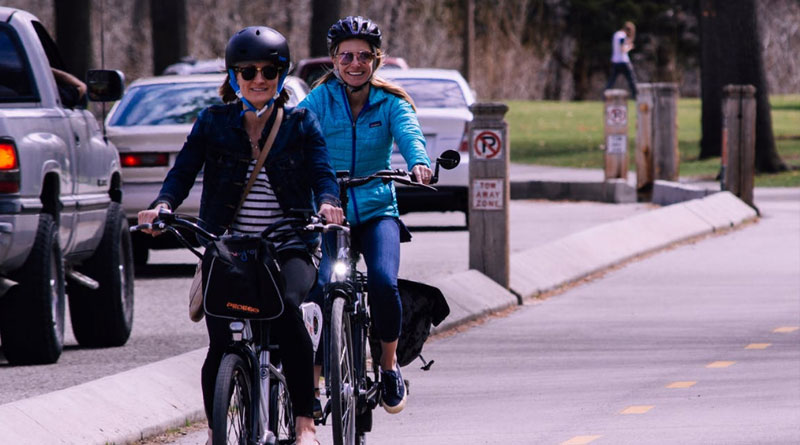
Major metropolitan areas like Paris and London have expanded cycling infrastructure dramatically. In Paris, hundreds of kilometers of new bike lanes have been added, transforming the capital into a more cycle-friendly city.
Governments also offer incentives such as tax breaks for bike purchases and subsidies for electric bicycles (e-bikes), which have made longer commutes more accessible.
The Rise of E-Bikes
Electric bicycles have been a game-changer. E-bikes allow riders to:
- Travel longer distances
- Tackle hills with ease
- Commute without arriving drenched in sweat
This accessibility has widened cycling’s appeal to older riders and those less confident in their fitness levels. As battery technology improves and prices gradually become more competitive, the e-bike market continues to expand rapidly.
Professional Cycling’s Global Appeal
Competitive cycling has also enjoyed renewed attention. Events such as the Tour de France draw millions of spectators roadside and billions of viewers worldwide.
Professional cycling has modernized significantly, with teams using:
- Advanced aerodynamic bike designs
- Power meters and data analytics
- Nutrition and recovery science
- Marginal gains strategies
Cyclists today train with precision, monitoring watts, cadence, and heart rate to optimize performance. The sport has become a showcase for innovation in sports science and technology.
Health and Wellness Benefits
Cycling offers low-impact cardiovascular exercise, making it accessible for people of various ages and fitness levels.
Regular cycling can:
- Improve heart health
- Strengthen muscles
- Boost mental well-being
- Reduce stress and anxiety
Unlike high-impact sports, cycling places less strain on joints, which contributes to its growing popularity among people recovering from injury or seeking sustainable long-term fitness.
Environmental Impact
Transportation accounts for a significant share of global carbon emissions. Cycling presents a simple, scalable alternative for short-to-medium journeys.
In many cities, policymakers see bicycles not just as a lifestyle choice but as a critical tool in climate strategies. Encouraging cycling reduces reliance on fossil fuels while promoting healthier communities.
The Business of Bicycles
The cycling industry has grown into a multi-billion-dollar market, encompassing:
- Road bikes
- Mountain bikes
- Gravel bikes
- E-bikes
- Cycling apparel and accessories
Brands compete to produce lighter frames, smarter gear systems, and improved aerodynamics. Meanwhile, cycling tourism — from mountain trails to scenic road routes — continues to flourish.
Challenges Ahead
Despite growth, cycling still faces obstacles:
- Safety concerns in car-dominated cities
- Infrastructure gaps
- Weather limitations
- Theft and storage issues
However, as infrastructure improves and cultural attitudes shift, these challenges are gradually being addressed.
A Cultural Shift
Cycling is no longer viewed solely as sport or recreation. It represents:
- Sustainability
- Urban innovation
- Personal wellness
- Community engagement
From city streets to mountain passes, pedal power is redefining how people move, train, and live.
The unstoppable growth of cycling isn’t just about bikes — it’s about a broader transformation in how societies prioritize health, environment, and mobility.
And with every turn of the pedals, that momentum continues to build.